
Table of Contents
Choose Morocco birding regions, bird species, guided itineraries, travel seasons and responsible wildlife experiences.
START YOUR BIRDING ADVENTURE
Bird Watching Tours in Morocco: What Makes This Country Special?
Morocco is one of the most rewarding places in North Africa for birdwatching because its habitats change dramatically between the Atlantic coast, the Atlas Mountains and the Sahara Desert. A well-planned bird watching tour in Morocco may start among coastal lagoons and wading birds, cross cedar forests where woodpeckers call, and finish on the desert plains around Merzouga searching for larks and sandgrouse. You do not need to be an expert to enjoy these landscapes, but choosing a sensible route and the right season can make a real difference.
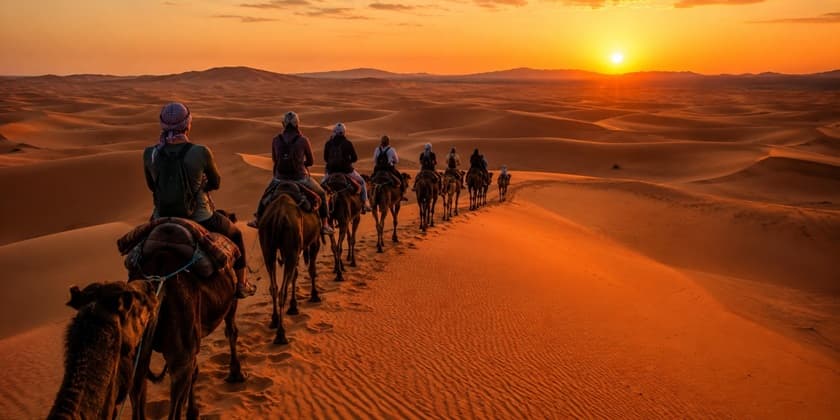
For most first-time birders, the best starting plan is seven to ten days, focusing on two or three connected regions instead of racing across the whole country. Spring, roughly March to May, is a particularly attractive period for migration and breeding activity. Autumn and winter are excellent for many wetland and coastal birds, while mountain birding can be productive in the warmer months. No operator can guarantee wild sightings, and habitat conditions change from year to year.
At Moorish Tour we help travelers combine nature with the character of Morocco. You might spend an early morning watching desert birds, enjoy a slow lunch in a village, then finish the evening beside the dunes. For more specific bird-focused travel ideas, read our Birds of Morocco Tours guide or look at all Morocco tour packages. This guide focuses on how to build an enjoyable, realistic birding holiday, which areas to prioritize and how to travel responsibly.
| Your main interest | Best region to consider | A practical season |
|---|---|---|
| Desert specialists | Merzouga / Erg Chebbi and Tagdilt | Spring; cooler parts of autumn and winter |
| Mountain birds | High Atlas and Middle Atlas | Spring through early summer, depending on altitude |
| Wetland migrants and waterbirds | Oualidia, Oued Souss and Souss-Massa | Spring, autumn and winter |
| Northern Bald Ibis | Souss-Massa and nearby southwest coast | Consider year-round, with responsible local guidance |
“A good Morocco birding holiday is built around habitats and quiet observation—not a promise to see every rare species.”
TOUR STYLES
Why Choose a Private Morocco Birdwatching Tour?
A private Morocco birdwatching tour works well when you have particular birds on your wish list or want extra time for photography. In a private vehicle, you can pause near a promising wadi, revisit a viewing point or spend another hour beside a wetland without being tied to a large group's schedule. That flexibility matters because wild birds do not appear according to a timetable, especially shy desert species and birds resting on migration.
Small guided groups also have advantages. You can share the experience with people who enjoy nature, compare observations and learn from other travelers. An organized group can be a practical choice if you prefer a clear timetable and do not need every day customized. Whatever style you choose, ask about group size, who will lead the birding walks and how much time is reserved for quiet observation rather than driving.
Moorish Tour can help plan routes around a mix of birdwatching, private Morocco tours and cultural stops. Some travelers want a serious bird list, others prefer slow walks with binoculars and comfortable accommodation. Tell the team which matters more before choosing a vehicle and route. Birding is often best before breakfast and again near the end of the afternoon, so a flexible daily plan can be more useful than an early start followed by a rushed schedule.
| Private tour | Small group tour | What to check |
|---|---|---|
| Flexible species-focused stops | Shared daily schedule | Guide-to-guest ratio |
| Good for couples and photographers | Good for social birders | Vehicle window and equipment space |
| Can change habitat priorities | Usually a set route | Which birding sites are actually included |
WHERE TO GO
Best Birdwatching Destinations in Morocco by Habitat
The secret to planning a strong Morocco birding route is to travel between habitats that offer genuinely different species. The semi-arid plains near Ouarzazate are not the same as the golden dunes of Erg Chebbi, and the oak and cedar forests of the Middle Atlas are very different from the coastal lagoons around Oualidia. This variety can be a major advantage, but it takes time to drive between regions.
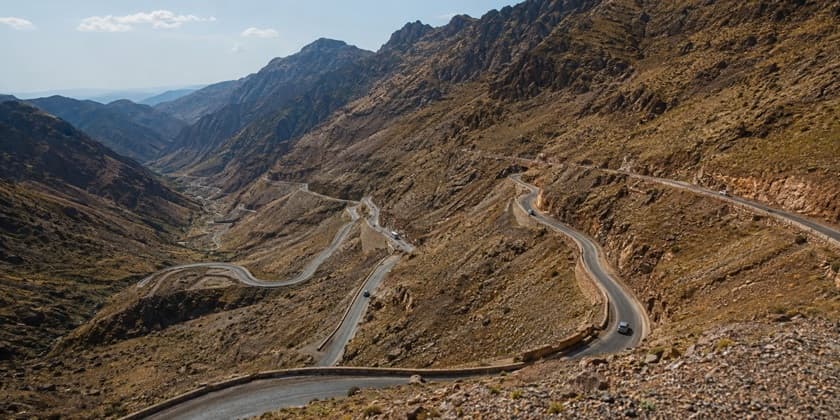
A simple southbound birding route might begin with the High Atlas, stop at the stony Tagdilt Track near Boumalne Dades and continue east to Merzouga. If your priority is waterbirds and the Northern Bald Ibis, an Atlantic itinerary based around Agadir and Souss-Massa may be a better use of your days. Travelers with ten or more days can often combine mountain, steppe, Sahara and coast while still allowing two-night stays at important sites.
Choose your regions before choosing your airport. Marrakech is convenient for the High Atlas and routes heading toward Ouarzazate; Agadir is useful for the southwest coast; Casablanca, Rabat and Fes work for northern wetlands, cedar forests and longer circuits. Our one-week Morocco itinerary gives a wider travel-planning overview, while a Morocco Wonders Tour shows how scenic destinations connect on the road.
| Habitat | Example places | Birding focus |
|---|---|---|
| Sahara dunes and oases | Merzouga, Erg Chebbi | Desert Sparrow, larks, wheatears |
| Stony steppe | Tagdilt Track, Boumalne Dades | Courser, sandgrouse, steppe larks |
| High mountains | Oukaimeden, Toubkal foothills | High-altitude finches, larks and choughs |
| Cedar and oak forest | Ifrane, Azrou | Woodpeckers, woodland birds |
| Coastal wetlands | Oualidia, Oued Souss, Oued Massa | Waders, flamingos, gulls and ducks |
SAHARA SPECIALTIES
Merzouga Birdwatching Tours: Discover Sahara Desert Birds
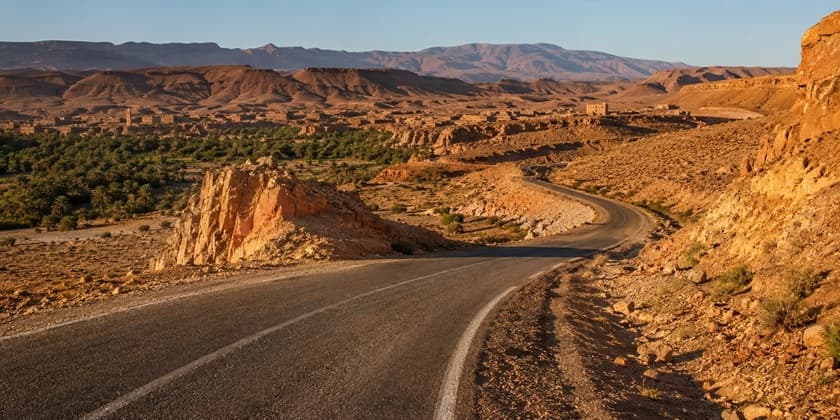
Merzouga is a highlight for travelers who want to look for true Sahara specialists. Around the dunes of Erg Chebbi, the best birding often happens not on the highest dunes but along their edges, around scattered bushes, dry riverbeds, rocky tracks and places where a little vegetation attracts insects. A careful morning walk may produce wheatears, larks and other birds that are well adapted to an extreme environment.
Birdwatchers often come to the area hoping for Desert Sparrow, Greater Hoopoe-Lark, Bar-tailed Lark, African Desert Warbler or Egyptian Nightjar. Those are target birds, not guaranteed sightings. The Egyptian Nightjar is especially elusive and requires responsible searching without disturbing roosting birds. Conditions, temperatures and access may change during a trip, so a knowledgeable local guide and a flexible route are valuable.
If you are staying in the southeast, the Merzouga desert travel guide explains the wider destination, and our Erfoud Sahara 4×4 excursions introduce the surrounding landscapes. A desert camp near suitable habitats makes an early start easier. For comfort and location ideas, compare the Merzouga luxury desert camps and ask how far the camp lies from the sites on your birding list.
- Start early, before the strongest heat
- Carry water, shade protection and binoculars
- Never approach or handle nests or resting birds
- Avoid off-road driving through fragile habitats
- Ask for a second morning if your key species is elusive
DESERT WATERBIRDS
Dayet Srij Lake and Seasonal Wetlands Near Merzouga
Dayet Srij is a seasonal basin near Merzouga that becomes an exciting birding stop when rain has created enough water. During suitable conditions, waterbirds such as flamingos, ducks and waders may appear, creating the remarkable sight of birds feeding against a backdrop of Sahara dunes. The key word is seasonal: the basin can be dry, and the presence of water or particular birds cannot be promised for your visit.
A flexible desert tour treats the lake as a possible stop rather than the single reason to travel. When it has little or no water, you can spend extra time in vegetated desert margins, an oasis or stony terrain instead. Your guide should be able to explain which habitats are worthwhile on the day instead of following an outdated photo-based itinerary.
If birdwatching is your main reason for traveling, ask your local operator about recent habitat conditions before choosing dates. A three-day trip from Errachidia toward Merzouga offers a shorter journey to this region than starting far away in Marrakech, making it easier to give the desert two full mornings.
STEPPE & DESERT
Tagdilt Track and Boumalne Dades: Birding on Stony Plains
The Tagdilt Track area near Boumalne Dades is one of Morocco's well-known dryland birding sites. Its broad gravel plains and sparse vegetation may appear empty at first, but they are habitat for specially adapted ground birds. With quiet scanning and patient stops, birders look for Cream-coloured Courser, Temminck's Lark or Horned Lark forms, Thick-billed Lark, sandgrouse and Desert Wheatear, depending on season and conditions.
These birds can be difficult to detect because their colours blend with the ground. A spotting scope is helpful over open terrain, and you may get better views by remaining at a safe distance than by walking directly toward a bird. When a guide observes behavior suggesting nesting or stress, leave the area quietly. Birdwatching should never come at the expense of the wildlife people have traveled to enjoy.
Travelers on a desert road trip often pass the Dades Valley and Todra Gorge on their way east. Instead of treating this area as a quick photo stop, serious birders may prefer to stay overnight so they can visit the plateau in the cooler early hours. The Marrakech desert tours collection can help with the wider journey, while our 3-day Marrakech–Merzouga tour illustrates why a short itinerary has limited time for specialist birding detours.
“The most rewarding steppe observation can begin with five minutes of standing still.”
ATLAS HIGHLANDS
High Atlas Mountains Birdwatching: Oukaimeden and Toubkal
The High Atlas Mountains provide a very different experience from Morocco's desert plains. Rocky slopes, open high-altitude grassland and mountain streams create habitat for birds that are difficult to find in the lowlands. Oukaimeden is a famous birding area for high-mountain species, while valleys and foothills around the Toubkal region can be useful for rock birds, woodland edges and raptors.
Among the mountain birds to look for are Alpine Chough, Rock Sparrow, high-altitude horned larks and the African Crimson-winged Finch. Atlas Wheatear may also be a target at suitable elevations in the breeding period. Exact locations vary with weather and season: snow can affect access in winter, and birds change behavior through the year. The highest viewpoint is not automatically the best place to search.
If you only have a day or two beyond Marrakech, a guided High Atlas birding outing can be more sensible than attempting a return journey to the Sahara. Travelers combining birding with walking should tell Moorish Tour their preferred walking distance and fitness level. Mountain weather changes quickly; pack warmer layers and use a local guide familiar with the area.
FOREST BIRDING
Middle Atlas Birding: Ifrane, Azrou and Cedar Forests
The Middle Atlas offers an appealing contrast to the High Atlas, with cedar and oak woodland, hills and seasonal lakes. Around Ifrane and Azrou, birdwatchers can look for woodland specialists including Levaillant's Woodpecker and African Blue Tit. During the appropriate season, Atlas Flycatcher is another species that birders may target in suitable forest areas.
Forest birding is slower and more dependent on sound than open-desert birding. It helps to listen for calls, watch feeding movements between trees and avoid using repeated playback that might disturb breeding birds. A guide who recognises local songs and knows quiet tracks will often improve the quality of the experience.
The Middle Atlas fits naturally into an itinerary linking Fes with Midelt and the southeast. If you are already planning the Fes desert tours, ask whether the schedule allows a proper morning in the cedar forests instead of a brief roadside stop. For a culture-and-nature combination, the region also provides an opportunity to discover smaller communities beyond Morocco's large cities.
- Binoculars with good light-gathering ability are useful under trees
- Listen first: forest calls often reveal birds before they become visible
- Keep a respectful distance from Barbary macaques
- Check whether seasonal lakes have water before planning around ducks
ATLANTIC CONSERVATION
Souss-Massa National Park and Northern Bald Ibis
Souss-Massa National Park and the nearby southwest Atlantic coast are key birdwatching destinations, especially for visitors interested in the Northern Bald Ibis. The species has a major wild stronghold in this region and is a celebrated example of the value of local conservation work. BirdLife International has documented decades of effort to protect breeding and feeding areas, including the work of local wardens and conservation partners.
Northern Bald Ibis is still a threatened species, so photography and observation must be especially careful. Use public routes and approved viewing areas, follow the directions of local wardens and do not attempt to approach breeding cliffs. Ask for an ethical, wildlife-focused visit rather than demanding a close-up photograph. A memorable sighting is one that leaves the birds undisturbed.
This region offers much more than a single flagship species. The wider mosaic of estuaries, coastal steppe and fields may produce waders, gulls, raptors and resident dryland birds. The area works well with an Agadir-based birding holiday or a wider route linking the Atlantic and Anti-Atlas. For a broader list of Moroccan birding destinations, see our Birds of Morocco Tours article.
“Responsible birdwatching protects the very places that make a wildlife journey worth taking.”
LAGOONS & SEA BIRDS
Oualidia, Essaouira and Atlantic Coast Birdwatching
Along Morocco's Atlantic coast, lagoons, river mouths and rocky shores offer a change of scenery and a different bird list. Oualidia is known for its protected lagoon where visiting birdwatchers may look for waders, flamingos, herons and shorebirds. Tides and season strongly affect where birds feed and how close you can observe them, so the most productive hour may not match a typical sightseeing timetable.
Essaouira provides historic coastal scenery as well as gulls and other seabirds. Its windy weather can be excellent for a comfortable coastal walk at one moment and challenging for photography at another. If you are combining nature with culture, you can enjoy the medina and fishing port after your morning observation session without turning every day into a long drive.
Further south, the Oued Souss estuary near Agadir is useful for wetland and shorebird viewing, particularly during migration and wintering periods. It can pair with Souss-Massa National Park in a focused coastal itinerary. If your goal is mostly shorebirds and photography rather than desert specialists, spend additional days on the coast instead of automatically adding Merzouga to the journey.
| Coastal area | Best reason to visit | Planning detail |
|---|---|---|
| Oualidia Lagoon | Waders, flamingos and lagoon scenery | Tides and water conditions matter |
| Essaouira | Seabirds and cultural visits | Wind may affect photography |
| Oued Souss (Agadir) | Estuary waterbirds | Visit at a useful tidal stage |
| Souss-Massa | Coastal steppe and Northern Bald Ibis habitat | Follow protected-area access rules |
TARGET SPECIES
Bird Species to Look for on a Morocco Birding Holiday
Many visitors arrive with a list of memorable birds they would love to see. That list is useful for planning, as long as it is treated as a set of possible targets rather than a guaranteed checklist. Desert Sparrow, Greater Hoopoe-Lark, Cream-coloured Courser and several larks draw attention to the southeast. Mountain birders often search for African Crimson-winged Finch, Levaillant's Woodpecker and Moussier's Redstart, while coastal visits are associated with flamingos, waders and Northern Bald Ibis.
It is also important to use bird names carefully. Some birds promoted as 'Morocco endemics' are actually found elsewhere in North Africa, and taxonomic names or species limits can vary among bird lists. It is more accurate to describe many of these as Moroccan or North African specialties unless the species is genuinely restricted. Check the current checklist used by your bird club if keeping a formal life list.
Tell your birding guide which species matter most to you, but leave room for surprises. A productive tour is not only about rare birds: watching a small lark navigate a dry plain, a woodpecker climb a cedar, or a flock of waders turn over the sea can be just as memorable. Birding rewards patient attention to common and unusual wildlife alike.
| Species or group | Typical habitat to target | Important caution |
|---|---|---|
| Desert Sparrow, Greater Hoopoe-Lark | Sahara around Merzouga | Unpredictable; avoid disturbance |
| Cream-coloured Courser, steppe larks | Tagdilt and stony plains | Very well camouflaged |
| Crimson-winged Finch, Alpine Chough | High Atlas | Altitude and season matter |
| Levaillant's Woodpecker, African Blue Tit | Middle Atlas forests | Listen for calls, watch quietly |
| Northern Bald Ibis | Southwest Atlantic region | Protected species; maintain distance |
| Flamingos, ducks and shorebirds | Wetlands and seasonal water | Dependent on water, tides and migration |
BIRDING SEASONS
Best Time for Bird Watching in Morocco: Month-by-Month Advice
There is no single perfect month for every bird species in Morocco. Spring is often the most versatile season for a route combining mountains, desert and migration stops. Many birds are active, daylight is longer and conditions may be pleasant for early walks. If desert specialties are your main goal, avoid planning long midday field sessions during extreme summer heat.
Autumn is excellent for migration, especially where travelers can work around tides at Atlantic lagoons and seasonal water availability. Winter can be a rewarding choice for waterbirds and quiet sightseeing in the lowlands, although higher mountains may have snow and desert nights can feel cold. Summer can still suit a focused High Atlas itinerary, but schedules should include early starts and attention to altitude, hydration and sun exposure.
For your packing plan, read what to wear in Marrakech and the Sahara. Our general Morocco travel guide also helps with transport, climate and cultural basics. Rather than promise a fixed seasonal bird list, a thoughtful operator will discuss what is likely to be active in your chosen region at your chosen time.
| Period | Birding opportunities | Travel advice |
|---|---|---|
| March–May | Migration, resident bird activity, many habitat choices | Popular period; plan early |
| June–August | Mountain specialists at suitable elevations | Avoid midday lowland heat |
| September–November | Autumn migrants and coastal wetlands | Check tides and seasonal water |
| December–February | Wintering waterbirds and cooler desert walks | Pack warm layers; check mountain access |
ONE-WEEK ITINERARY
7-Day Bird Watching Tour Morocco: Atlas and Sahara Route
Seven days is enough to enjoy excellent birdwatching if you keep the route focused. One possible itinerary begins in Marrakech, spends time in the High Atlas, continues toward the Dades region and ends with two nights around Merzouga before a carefully planned return or one-way drop-off. The aim is to give the best habitats repeated early-morning attention, not to collect famous cities just for photographs.
On day one, arrive and rest in Marrakech. Day two is for an early guided outing in the High Atlas, depending on weather and your target birds. Day three crosses the mountains to the Ouarzazate area, with measured stops in suitable rocky habitats. Day four focuses on the Tagdilt plains. Days five and six allow birding around Merzouga and nearby vegetated desert, with the option of a camp night. Day seven is a transfer day; a one-way ending closer to your route may be more comfortable than a very long same-day return to Marrakech.
If your flights require Marrakech return, build the last driving day honestly into your plan. Some visitors prefer an extra day because birding walks and repeated scenic stops add time. Our seven-day Morocco itinerary is useful for comparing the overall region and travel distances, though a dedicated birding program should allocate more hours to observation and fewer to general sightseeing.
| Day | Region | Main birding goal |
|---|---|---|
| 1 | Marrakech | Arrival; easy city birds |
| 2 | High Atlas | Mountain and rocky-slope birds |
| 3 | Atlas → Ouarzazate | Scenic habitats; no rushed checklist |
| 4 | Tagdilt / Boumalne Dades | Steppe larks, courser and sandgrouse |
| 5 | Merzouga | Desert specialist birding |
| 6 | Merzouga / Erg Chebbi | Second early morning; optional camp |
| 7 | Transfer / departure | Realistic drive or one-way exit |
TEN-DAY ITINERARY
10-Day Morocco Birding Tour: Sahara, Atlas and Atlantic Coast
Ten days creates more room for a diverse birding tour without turning every day into a long transfer. One practical approach begins near Agadir, dedicates time to the Souss-Massa coastal area, then travels inland toward the Anti-Atlas or Ouarzazate, continues through the Tagdilt steppe and Merzouga, and finishes with mountain or forest birding depending on the final airport. This does not mean every site can receive a full day; the route still needs sensible travel blocks.
For example, two days based around Agadir can cover coastal habitats and a responsible Northern Bald Ibis outing. Days three and four can be used for inland transitions and steppe birding. Days five and six focus on Merzouga's desert plains and oases. The remaining days allow return travel with selected Atlas or Middle Atlas stops. If you want both High Atlas and Middle Atlas in detail, adding more days is better than compressing the route.
Moorish Tour can help travelers compare a private birding itinerary with a more general ten-day Morocco travel package that includes extra culture and desert activities. Make it clear if your group values species identification above museum visits or extended meals so your schedule supports what you actually came to Morocco to do.
| Days | Area | Main goal |
|---|---|---|
| 1–2 | Agadir and Souss-Massa | Coastal waterbirds, ibis habitat |
| 3–4 | Inland drive / Tagdilt | Open plains and desert-edge species |
| 5–6 | Merzouga | Two morning sessions in the Sahara |
| 7–8 | Atlas route | Mountain and forest opportunities |
| 9–10 | Transfer and departure city | Flexible final birding, travel buffer |
EXTENDED BIRDING
12\u201314 Day Morocco Birding Holiday: The Grand Wildlife Route
A twelve- to fourteen-day birdwatching holiday gives you the freedom to slow down. You can spend extra time on the Atlantic wetlands, explore the mountains at different elevations and make more than one morning attempt for elusive Sahara species. A full route might connect Rabat's northern wetlands, the southwest coast, Agadir, Souss-Massa, Ouarzazate, the Tagdilt area, Merzouga and the Middle Atlas near Fes. This is a broad itinerary, so accommodation locations and road days must be chosen carefully.
The greatest advantage of additional time is flexibility. A sudden change in wind, highland weather or seasonal water conditions can change what is productive. On a short tour, that may mean missing an entire habitat. On a longer tour, the group can return to a site or spend an afternoon scanning a different area. Wildlife photography also improves when there is time to wait for natural behavior and better light.
A longer birding tour can include cultural moments without sacrificing the main interest. A visit to the historic medina in Fes, the kasbah at Ait Ben Haddou or a desert music evening may fit comfortably if timed around key birding sessions. For inspiration beyond birding, see our Morocco expedition guide and Morocco Wonders itinerary.
PHOTOGRAPHY
Morocco Bird Photography Tours: Light, Patience and Ethics
Morocco offers beautiful settings for bird photography: Sahara dunes glowing at sunrise, high mountain slopes, cedar forest and wetlands with reflections. The quality of your photos, however, depends on much more than a scenic background. Bird behavior, distance, light direction, access rules and patient positioning usually matter more than simply reaching a famous viewpoint.
In the desert, carry a cover for your camera and avoid changing lenses in blowing sand. On the coast, a stable tripod or monopod can help in windy conditions, while a longer lens lets you photograph waders without approaching too closely. A lightweight pair of binoculars remains valuable even if photography is your main interest. Birding tours should never use baiting or close approaches to nests purely for a better image.
Tell your operator that photography takes time. A quick 15-minute stop at a species-rich area is often not enough. Your guide can help choose observation distances, set up with the light behind you when possible, and identify birds before you invest time in a photograph. If you also enjoy landscape photography, a Merzouga overnight near the dunes can be a beautiful addition to your Sahara experience when scheduled outside your most productive birding hours.
- Binoculars and a longer lens if available
- Extra batteries and memory cards
- Dust cover and lens cloth for desert conditions
- Layered clothing for pre-sunrise sessions
- Water, sun protection and comfortable footwear
- Respect for reserve paths and nesting areas
WHO CAN JOIN
Birdwatching in Morocco for Beginners, Couples and Families
You do not need a long bird list to enjoy a birdwatching trip in Morocco. Beginners can learn to distinguish broad groups—raptors, larks, waders and forest birds—while visiting landscapes they may never have seen before. A good guide explains what makes a bird interesting, points out field marks and gives everyone time to observe through binoculars. Many guests enjoy the experience more when they are not under pressure to identify everything.
Couples with different interests can combine morning birding with a relaxed afternoon in a medina, a scenic drive or a desert-camp evening. Families can enjoy shorter walks and easy observation points, provided travel times and heat are suitable for children. A full Sahara expedition may be less comfortable for small children than a half-day around accessible habitats; every group should be assessed individually.
For young travelers interested in environmental education, Moorish Tour's Morocco student tours guide explains ways to combine learning, nature and cultural visits. The best wildlife day for a mixed group is usually flexible, friendly and not overloaded with technical names. A quiet moment watching birds can be as meaningful as ticking a rare species.
“You do not have to know every bird name to feel the excitement of seeing wildlife in a new landscape.”
TOUR INCLUSIONS
What Is Included in a Guided Morocco Birdwatching Tour?
What you receive on a Morocco birdwatching tour depends on the operator and the agreed itinerary, so it is important to ask for details in writing. Many private trips can be arranged with an air-conditioned vehicle, a driver familiar with the route, accommodation, and guided visits to chosen habitats. A specialist birding guide, park access arrangements, meals, spotting scopes and additional desert activities may or may not be included.
Ask whether the same person will be your driver and birding guide, how much luggage and camera equipment can fit in the vehicle, and whether the route includes off-road tracks that require a suitable 4×4. For isolated areas, be clear about water, comfort stops, hotel check-in times and how early-morning starts work. A professional plan should include enough rest so that the search for birds stays enjoyable.
Our Moorish Tour contact page is the best place to request a customized quote. Share your arrival airport, travel dates, group size, main target species, preferred accommodation and photography needs. A clear written itinerary allows you to compare offers without relying on unsupported guarantees or headline prices.
| Item | Questions to ask before confirming |
|---|---|
| Birding guide | Specialist guide or general tour driver? Which languages? |
| Transport | Private 4×4 or minibus? Window space and equipment storage? |
| Accommodation | Hotel names, room type, meals and proximity to birding sites? |
| Park access | Tickets, wardens, permits and local access rules included? |
| Equipment | Bring your own binoculars/scope or is anything provided? |
| Extra experiences | Desert camp, camel trekking, cultural visits included or optional? |
TRAVEL WITH CARE
Responsible Birdwatching and Conservation in Morocco
Bird watching is most rewarding when wildlife comes first. Morocco's coast, desert and mountains contain habitats that may be sensitive to disturbance, including feeding sites, nesting areas and protected reserves. Stay on permitted paths where required, never attempt to touch birds or nests, and avoid driving through areas where ground-nesting birds could be harmed. If a bird looks stressed or repeatedly moves away, increase the distance.
A responsible guide will choose quiet observation points, limit unnecessary playback, respect private property and follow conservation rules. This is especially important around the Northern Bald Ibis, at wetland roosts and during the breeding season. Avoid feeding wild birds simply to obtain photographs, and take all litter away from the places you visit.
Supporting local communities can also be part of responsible travel. Choose local accommodation where practical, listen respectfully when visiting villages and ask permission before photographing people. Travelers can enjoy a private Erfoud-to-Merzouga excursion while choosing routes that reduce unnecessary off-road damage. A lasting wildlife experience should benefit nature and the people who care for it.
- Observe from a distance; never crowd a nesting or resting bird
- Follow local wardens and reserve rules
- Avoid repeated playback and baiting
- Protect desert and wetland habitats from off-road damage
- Choose small groups where feasible
- Carry out litter and support responsible local partners
PACKING GUIDE
What to Pack for a Morocco Birdwatching Tour
Pack for the habitats and season, not just the city where your flight lands. For desert birding, you will appreciate breathable long sleeves, a wide-brimmed hat, sunscreen, sunglasses and enough water for quiet early-morning stops. For the High Atlas, warm layers and a windproof jacket may be necessary even when the lowlands feel hot. Along the Atlantic coast, wind protection and waterproof storage for your optics can be useful.
Binoculars are the single most useful item for most birdwatchers. A field guide or reliable offline bird identification app can help you record sightings without needing constant mobile signal. A notebook, spare battery or power bank, small first-aid supplies and comfortable shoes make a full birding day easier. If you use a spotting scope, ask how it can be packed safely for long road transfers.
For a wider travel packing checklist, see our Marrakech clothing guide. Keep your most important personal items in a day bag so they remain accessible when the main luggage is stored at the hotel or in the vehicle.
- Binoculars (and spotting scope if you use one)
- Field guide or offline checklist
- Hat, sunglasses, sunscreen and refillable water bottle
- Closed walking shoes for stony tracks
- Warm layer and windproof jacket
- Power bank, lens cloth and small day pack
PLAN WITH OUR TEAM
How to Book Your Morocco Birding Tour with Moorish Tour
A good Morocco birding holiday begins with an honest conversation about what you want to experience. Tell Moorish Tour whether you are a dedicated birder, a wildlife photographer or a traveler who simply wants to enjoy nature alongside Morocco's history and landscapes. The team can help discuss a route that fits your available days, your arrival airport and the level of comfort you prefer.
Start by choosing your likely season and your top two or three habitats. If desert specialists are your priority, the southeast and Merzouga deserve more time. If Northern Bald Ibis and waterbirds are central to your list, the southwest coast may be a better starting point. If you want a broad country tour, choose at least ten to fourteen days and leave room for long drives, suitable overnight stays and changes in weather.
Explore the Moorish Tour travel packages, read our Moroccan guides travel advice and contact our team for a plan made around your dates. We recommend asking for a written proposal showing daily birding sites, accommodation, driving distances, specialist guide arrangements, included services and cancellation terms before making a payment.
BIRDING FAQ
Frequently Asked Questions About Bird Watching Tours in Morocco
These answers cover the most common practical questions visitors ask before choosing a Morocco birding holiday. The key points are simple: choose habitats before choosing routes, travel at a suitable season, plan honest drive times and never expect a guaranteed sighting of a wild bird.
For current site conditions and package services, your final written itinerary matters more than any general travel guide. Confirm availability and on-the-ground arrangements directly before departure.
What is the best month for bird watching tours in Morocco?
March through May is a strong all-round choice for many visitors because of migration and resident bird activity. Other seasons can be excellent for specific habitats, especially wintering coastal birds.
Can I see Desert Sparrow near Merzouga?
Desert Sparrow is a well-known target in the Merzouga region, but wild sightings vary by habitat, weather and season. A specialist guide may improve your chances; no sighting is guaranteed.
Will there be flamingos at Dayet Srij Lake?
Only when habitat conditions are suitable. Dayet Srij is seasonal and may be dry. Ask about recent water levels before planning a visit around flamingos.
Where can I look for Northern Bald Ibis in Morocco?
Souss-Massa National Park and nearby southwest Atlantic habitats are important for this threatened species. Observe only from permitted areas and follow local conservation guidance.
Which airport is best for Morocco birdwatching?
Marrakech works well for the High Atlas and desert routes, Agadir for southwest coastal birding, and Casablanca or Fes for northern and longer circuits. Your ideal airport depends on your target habitats.
Is a seven-day birding tour enough?
Yes for a focused route through two or three connected areas. To combine the Atlantic coast, High Atlas, desert and Middle Atlas at a comfortable pace, ten to fourteen days is better.
Can I combine birdwatching with a Merzouga desert camp?
Yes. Many birders enjoy a camp overnight near Erg Chebbi. Keep early mornings free for birding, and ask about the camp location and transport in advance.
Do I need to bring my own binoculars?
Bring your own if possible so you have equipment that fits you. Ask the operator whether binoculars or a spotting scope can be provided; do not assume they are included.
Are Morocco birdwatching tours suitable for beginners?
Yes. A flexible itinerary and an experienced guide can make birdwatching enjoyable for beginners, couples and families without pressure to identify every bird.
Will a 4x4 vehicle be included?
It depends on the itinerary and selected package. Some desert tracks require a suitable vehicle, but not every birding route needs a 4x4. Confirm vehicle type in your written quote.
Is the Northern Bald Ibis endemic to Morocco?
No. It is not a Morocco-only species, although the southwest Moroccan coast supports an important wild population. Observe the species with particular care.
Can I book a private bird photography tour?
You can request an itinerary designed around photography, sunrise sessions and patient observation. Confirm guide experience, camera space and wildlife ethics before booking.
What should I wear for early desert birding?
Wear breathable clothing with sun coverage, walking shoes and a removable warm layer. Desert mornings and nights can be cold depending on the season.
Are sightings and species totals guaranteed?
No. Wild birds move and conditions change. Treat any bird list or species total as an example, not a contractual guarantee.
Does the tour include meals and national park tickets?
Inclusions depend on the specific package. Ask for an itemized itinerary showing meals, accommodation, permits, guide services, transport and optional excursions.
How do I request a custom Morocco birding itinerary?
Send your dates, arrival airport, group size, target species, number of days and accommodation preferences through the Moorish Tour contact page.
TRUSTED REFERENCES
Birdwatching Sources and How to Verify Morocco Species Information
Nature changes over time, so a reliable Morocco birding guide should explain the difference between typical habitat, an occasional sighting and a confirmed current record. Birdwatching routes in this article are practical planning suggestions, not live bird lists. Before booking, ask about recent local reports, the right season, access restrictions and the condition of seasonal water such as Dayet Srij.
For the Northern Bald Ibis, BirdLife International’s report on conservation in Morocco explains the importance of protection and the work of local wardens. The Moroccan conservation partner GREPOM / BirdLife Maroc provides relevant context for conservation efforts in the country. These sources help explain why observing responsibly matters as much as seeing a rare bird.
For planning your own journey, use this guide together with our more detailed Birds of Morocco Tours introduction and the Moorish Tour travel information guide. Local information and weather should always guide the final birding schedule.
Plan Your Private Morocco Birdwatching Tour
Share your dates, target birds and preferred regions. Discover a birding journey that brings together the Sahara, mountains, wetlands and local Moroccan hospitality.