START YOUR JOURNEY
Morocco Tours: Exploring the Wonders, One Beautiful Place at a Time
Some journeys stay with you because of one special moment. In Morocco, there may be many: the sound of a market opening in the morning, warm bread from a neighborhood bakery, a mountain road turning toward a green valley, or the first quiet view of golden dunes at sunset. These experiences feel different from one another, yet they belong to the same remarkable journey.
The best Morocco tours do more than move travelers between famous places. They create time to meet people, enjoy a good lunch, understand a little history, and rest when the landscape asks you to slow down. You can spend a weekend exploring one city, follow an ancient road into the Atlas Mountains, or travel for two weeks from the Atlantic coast to the Sahara. Every style can be rewarding when the route fits your time.
This complete guide brings together the original highlights of Moorish Tour's Morocco wonders article and turns them into an easy way to plan. You will discover which cities suit you, what the desert is really like, how to compare tours, and what seven, ten or fourteen days can comfortably include. For an overview of available options, visit our Morocco tours collection or explore the Morocco Wonders Tour guide.
Imperial cities
Discover lively medinas, history, craftsmanship and beautiful buildings.
Sahara dunes
Watch changing light over Erg Chebbi and sleep close to the desert.
Mountain roads
Enjoy the High Atlas, villages, gorges and southern valleys.
Coastal moments
Slow down in Essaouira or discover the northern shore.
WHY PEOPLE LOVE IT
Why Morocco Is So Rewarding to Explore
Part of Morocco's charm is how quickly the scenery changes. A morning walk through a busy medina can be followed by an afternoon among olive trees, dry hills or ocean views. In the south, date palms grow beside villages made from earth-colored stone. In the north, green mountains rise behind towns with white or blue walls. Even two neighboring regions may have their own foods, building styles and ways of speaking.
Yet the most meaningful memories are often small. You may stop at a roadside café where the owner pours tea with care, meet a craftsperson who has spent years learning one trade, or sit in a courtyard listening to the gentle sound of water. These moments remind travelers that the country is not simply a collection of attractions. It is a place where people live, work, celebrate and welcome guests.
For first-time visitors, a balanced tour usually combines one or two cities, a natural landscape and at least one slower cultural experience. You do not need to climb every mountain or visit every palace. Allow yourself to become curious about what is happening around you; that is when the journey starts to feel personal.
“A truly memorable Morocco journey leaves room for the things you did not know you would love.”
PICK YOUR PACE
How Many Days Do You Need for a Morocco Tour?
The number of days matters more than the number of places on a brochure. Morocco is a big country, and the famous sand dunes near Merzouga sit far from the Atlantic cities and northern ports. Long drives can be beautiful, but they still take time. Before choosing an itinerary, consider your arrival airport, departure airport, preferred pace and whether a desert night is a must.
Three days work nicely for a Marrakech break, northern Morocco visit or a focused desert loop from Marrakech with long road days. Seven days let you see more of the south or connect a few historic cities. Ten days give a stronger mix of cities, mountains and desert. Two weeks allow longer stays and sometimes a coastal ending as well. These are route ideas, not promises that every attraction can fit into every holiday.
Think about how you enjoy traveling. If you like photography, calm mornings and long lunches, book fewer stops. If you enjoy changing scenery and have plenty of energy, a wider route may be right. Our one-week Morocco itinerary and 10-day Tangier-to-Marrakech tour are useful starting points for this decision.
| Your time | A good main focus | Pacing note |
|---|---|---|
| 3 days | Marrakech city + nearby experiences, or a busy Sahara circuit | Choose one region and accept long drives for the desert |
| 5 days | Marrakech, Atlas and coast; or Tangier and the north | Keep a manageable number of hotel changes |
| 7 days | Marrakech–south–Sahara–Fes, or a slower regional route | Several travel days if including the dunes |
| 10 days | Northern cities, Fes, Merzouga and Marrakech | Good variety, still an active road trip |
| 14 days | Imperial cities, Sahara, Atlas and Atlantic coast | More nights in favorite places and time to rest |
THE RED CITY
Marrakech: Souks, Gardens and Streets Full of Life
Marrakech often gives travelers their first taste of the country's energy. The old medina is filled with covered lanes, workshop doors, baskets of spices and stalls selling everything from lamps to leather bags. Around Jemaa el-Fnaa, the atmosphere changes during the day: juice sellers and walkers in the afternoon, brighter lights and the sound of food stalls after sunset. It is a place to experience slowly, not just photograph.
Leave time for more than the most famous square. Bahia Palace offers beautiful details and quiet courtyards, while gardens can provide a peaceful break from the busy lanes. The area around the Koutoubia Mosque is a landmark you can recognize from different parts of town; rules for entering religious spaces should always be respected. A local guide can help you understand the history behind the buildings rather than simply moving from one entrance to the next.
For a good first day, mix an organized sightseeing walk with time on your own. Have a relaxed lunch, return to your riad in the afternoon, and head outside again when the light becomes softer. Discover more practical ideas in our Marrakech tour company guide and Marrakech clothing guide.
IMPERIAL HISTORY
Fes: An Old Medina Where Craft Traditions Continue
Fes feels different from Marrakech. Its ancient city unfolds along narrow streets that turn past decorated fountains, neighborhood shops, schools and workshops. Some lanes are lively and busy; others become surprisingly quiet just a few steps away. Walking with a knowledgeable local guide is often worthwhile because the medina can be confusing and the story of each neighborhood adds depth to what you see.
Fes is particularly rewarding for people interested in crafts. Metalworkers shape trays and lanterns, potters produce colorful tiles, and leather workshops show how traditional skills remain part of daily life. You may visit viewpoints over the tanneries, but remember these are working places rather than sets created for tourists. Shopping should always be a choice, not an expectation.
Give the city a full day if you can, and consider a second night for a quieter morning. After exploring, find a terrace and enjoy a slow meal while the rooftops glow in the afternoon light. If the imperial cities are your main reason for traveling, the Morocco expedition guide offers a broader look at historic routes.
MOUNTAIN MAGIC
Chefchaouen: The Blue Town That Invites You to Slow Down
High in the Rif Mountains, Chefchaouen has a quieter feeling than Morocco's largest cities. Blue walls frame tiny stairways, cats sleep in the shade, and simple cafés look toward the hills. Visitors love its colors, but a good visit is not just a photography walk. This is a real mountain town with shops, families and daily routines going on behind the beautiful doors.
If possible, stay overnight. Morning light can be gentle, streets may feel calmer, and you have time to walk without watching a departure clock. A small local guesthouse is often part of the experience, although some are reached by steps rather than by car. Ask about luggage access before booking if you need an easy arrival.
Chefchaouen fits especially well into a northern route beginning in Tangier. It does not fit naturally into a short Marrakech desert journey, however, and adding it can mean a major detour. Travelers with a week or more can combine it with Fes or other northern stops when their arrival and departure locations make sense.

NORTHERN GATEWAY
Tangier, Tetouan and the Northern Coast
Tangier sits where the Atlantic Ocean and Mediterranean world meet. The city is a fascinating beginning for travelers arriving by ferry or flying into northern Morocco. Its old kasbah, lively medina, cafés and nearby coastal viewpoints offer a fine introduction before continuing into the countryside. It deserves more than a rushed transfer if your schedule permits.
The north can also include Tetouan, with its Andalusian influences, and quiet stretches of coast. Traveling here feels different from a southern Sahara circuit: there are sea views, green hills and historic urban areas rather than long desert roads. This variety is one reason repeat visitors enjoy planning regional tours instead of seeing the same places on every trip.
If you are coming from Spain, read our Morocco tours from Spain guide for arrival-port advice. For a longer route that goes from the north toward the Sahara, consider the 10-day tour from Tangier. An itinerary should make clear which airport or ferry terminal you arrive at and where the journey ends.

ATLANTIC CITIES
Rabat and Casablanca: Two Very Different City Experiences
Rabat is Morocco's capital, with pleasant streets, formal landmarks and historic neighborhoods close to the coast. The Kasbah of the Udayas is a lovely place for a walk, and the area around Hassan Tower introduces an important part of the city's history. Compared with Marrakech, the pace may feel calmer, especially during a well-planned daytime visit.
Casablanca offers a more modern urban atmosphere. Many travelers see the great Hassan II Mosque, explore Habous Quarter or spend time near the Atlantic waterfront. If you wish to visit the mosque's interior, check the visitor schedule and ticket rules rather than assuming access at any hour. Casablanca is also a practical flight gateway and can be the starting point for a north-to-south tour.
You do not need to choose between these two cities if your route naturally passes through both. However, neither should become a hurried checklist stop just because it appears in a long itinerary. Our Casablanca travel agency planning guide explains how to compare local visits and longer private trips.
Rabat
Capital-city landmarks, historic sites and a calm coastal atmosphere.
Casablanca
Hassan II Mosque, modern neighborhoods and an international gateway.
Essaouira
Atlantic air, fishing harbor, small galleries and an unhurried visit.
Tangier
A northern city where sea views meet a fascinating old town.
MOUNTAIN ROADS
The Atlas Mountains: Villages, Views and Fresh Air
The High Atlas is more than a beautiful background for photographs. Roads wind past villages, hillsides and changing rock colors. Some valleys are green with farms and trees; others feel dry and wide open. Travelers who love landscapes often say that the mountain journey becomes one of the trip's best parts, even when it was originally described as a travel day.
A day trip from Marrakech can show you a little of this mountain life without needing to cross the whole country. Longer tours may travel over the Tizi n'Tichka road toward Ouarzazate and the south. Weather matters here. In winter, snow or mountain conditions can change plans, and even in warm seasons a light jacket may be useful in higher areas.
When visiting villages, remember that people are at home. Ask before photographing residents, respect private spaces, and choose local guides or cafés when possible. Mountain travel is especially enjoyable when you add time for a short walk, a simple meal and conversation instead of stopping only at roadside viewpoints.
KASBAH COUNTRY
Ait Ben Haddou and Ouarzazate: Earth-Colored Architecture
Ait Ben Haddou rises from the landscape in layers of earthen walls and narrow paths. This historic ksar is famous for its architecture and film appearances, but the most interesting details are the building methods and the way homes, lanes and defensive spaces fit together. Take time to walk through and learn why the settlement developed here.
Nearby Ouarzazate is a frequent stop on routes between Marrakech and the Sahara. The area is associated with film studios, kasbah architecture and the landscapes of southern Morocco. It can be a practical overnight stop, particularly for travelers who want a less tiring journey across the mountains.
The best way to enjoy this region is as part of a route that already passes through it. Adding Ait Ben Haddou as a quick excursion during a very short north Morocco trip would mean too much driving. On a Marrakech-to-desert journey, however, it is often a natural and rewarding cultural visit.
BETWEEN ROCK AND PALMS
Todra Gorge, Dades Valley and the Southern Road
There is a wonderful change in scenery between Ouarzazate and the great dunes of the southeast. Roads pass rose-growing areas, palm groves, deep-colored cliffs and villages near riverbeds. Todra Gorge is known for towering rock walls that create a dramatic narrow setting, while Dades Valley offers unusual formations, winding roads and lovely views.
These are not places where every visitor needs to hike for hours. A comfortable walk, a cup of tea and a few thoughtful viewpoints can be enough to enjoy them. Travelers who like photography may want extra time for changing light, while families may prefer shorter stops and more time at the guesthouse. The route can be adjusted to suit both styles.
A good guide will explain the day's drive before you leave. Distances on the map can look short, but mountain bends, lunch and sightseeing make the day longer. Ask whether Todra and Dades are full visits or simply stops on the way, so that your expectations match the actual plan.
Todra Gorge
A dramatic rocky passage for short walks and photographs.
Dades Valley
Winding roads, villages and changing rock formations.
Ziz Valley
Green palm groves contrasting with the dry country around them.
High Atlas
Passes, mountain scenery and villages along scenic drives.
DESERT HIGHLIGHT
Merzouga and Erg Chebbi: What the Sahara Is Really Like
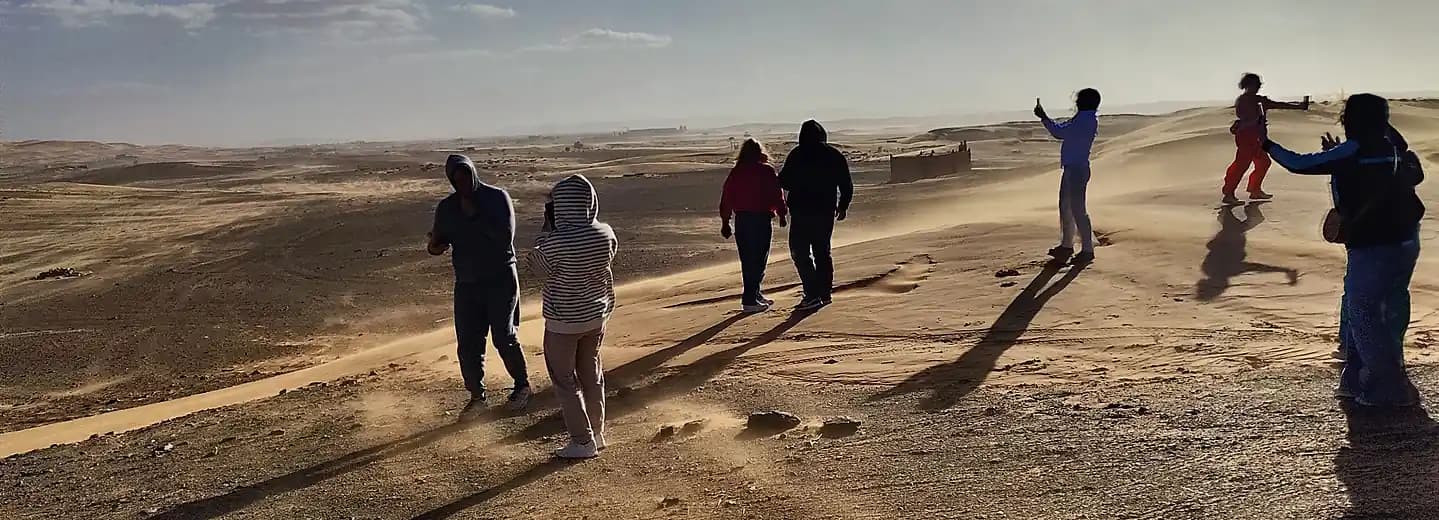
Near Merzouga, the dunes of Erg Chebbi offer a landscape many people have imagined long before arriving. The sand rises in soft ridges, changes color through the day and becomes especially beautiful around sunset. The silence can feel surprising after several days in cities. Some travelers love a camel trek; others prefer a 4x4 transfer or spending more time walking close to camp.
A desert night is special because of its pace. You might arrive in the afternoon, watch the light move over the dunes, eat dinner and look at the sky when conditions are clear. It is worth asking what a camp actually includes: the type of tent, private or shared bathroom, bedding, heating or cooling arrangements, food, and how the transfer works. Not every camp offers the same comforts.
A good Sahara trip also gives you enough time to recover from the road. Spending only a few minutes on the dunes before driving away misses much of what makes the place memorable. Read the easy Merzouga travel guide and our desert camp travel advice before choosing your stay.
LOCAL DISCOVERIES
Erfoud, Rissani and Life Around the Sahara
The southeast has more to offer than sand dunes. Erfoud is known for fossil workshops and decorative stone pieces, and a visit can introduce travelers to the ancient marine history recorded in local rocks. If you enjoy natural history, seeing the workshop process is interesting, from cutting and polishing to questions about repairs and authentic specimens.
Rissani is another memorable stop for people who enjoy markets and local traditions. Depending on the market day and the route, you may see busy trading areas and food stalls where people from surrounding communities gather. The experience feels different from shopping in the major tourist medinas. Your guide can help explain market etiquette, and you should ask before photographing people closely.
If buying fossils, ask what is original, what has been restored, and whether any necessary export documents can be supplied. Rules may apply, and a receipt alone does not guarantee a specimen can legally cross borders. Our Erfoud fossil buying guide covers practical questions for curious visitors and collectors.
THE OCEAN
Essaouira: A Breezy, Relaxed Ending to a Tour
After inland cities and warm desert scenery, Essaouira can feel like a refreshing change. This Atlantic town is known for its coastal walls, fishing harbor, whitewashed buildings and creative atmosphere. Wander past little galleries, enjoy seafood if you like it and listen to the wind moving along the waterfront.
Essaouira makes an attractive day trip from Marrakech, but an overnight stay offers a calmer experience. In the morning, you can stroll before the streets become busy, and in the evening there is no need to hurry back to your driver. The beach is often windy, so dress for the conditions rather than assuming every day will be warm enough for swimming.
On a two-week tour, a coastal finish gives your journey a different mood. It is also a useful reminder that Morocco's beauty is not limited to medinas, mountain roads and the Sahara. If your holiday is shorter, it may be better to choose Essaouira instead of adding another distant city.
TASTE THE COUNTRY
Moroccan Food: Small Meals That Become Great Memories
Food is one of the easiest ways to feel close to local life. You might begin the day with bread, olive oil and tea, enjoy a tagine at lunch, and discover a different combination of spices at dinner. Couscous, pastilla, harira and regional breads offer more than a list of dishes to try. They can be a friendly way to learn how families celebrate, gather and welcome people.
A cooking class is a lovely addition to a tour, particularly if you want a break from constant sightseeing. You may shop for ingredients, learn about spices and prepare a dish with a local cook. A simple neighborhood café can be just as memorable as a fine restaurant. Follow local advice about drinking water and food safety, and tell your hosts clearly about allergies or dietary needs.
Do not worry if you cannot pronounce every dish correctly. Polite curiosity matters far more than perfect words. Our Moroccan food tour guide has more ideas for readers who want meals and cultural discoveries to be a big part of their trip.
EVERYDAY CULTURE
Souks, Crafts and Respectful Local Encounters
Markets can be full of color and noise, but they are also places where daily work happens. Watch someone shape metal, weave cloth or prepare a display of fresh produce, and you begin to notice the care behind familiar objects. Every city has its own specialties, and part of the fun is seeing how the streets change as you walk from one craft area to another.
Bargaining may be normal in some souvenir shops, but not every price is open to discussion. Stay friendly, agree on the total before paying, and never feel obliged to buy something just because you entered a store. An honest guide will give you time to browse and help explain when a visit is educational rather than a sales appointment.
Respect matters as much as curiosity. Ask before taking a portrait, dress with awareness when visiting traditional areas, and remember that religious buildings have different rules for visitors. Small gestures, like greeting people politely and giving a shopkeeper space when they are busy, help make travel pleasant for everyone.
Craft workshops
Learn how pottery, leatherwork and metalwork are made.
Local food
Taste regional dishes and ask about family recipes.
Music and storytelling
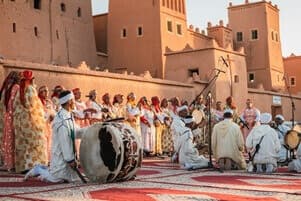
Discover traditional forms of expression when events are available.
Everyday hospitality
Enjoy a calm cup of tea and an honest conversation.
HISTORY BEYOND BIG CITIES
Meknes, Volubilis and the Stories Between Destinations
Not every remarkable place appears in the first photograph of a tour brochure. Meknes is an imperial city with its own historic gates and squares, and the nearby archaeological site of Volubilis offers a different look at the region's past. The Roman-era ruins include streets, columns and mosaics that reward visitors who enjoy history and walking outdoors.
These stops fit particularly well into tours linking Rabat, Fes and northern Morocco. They do not need to become a full-day detour for travelers focused on Marrakech and the southern desert. The key is to place historical sites where they make sense geographically and allow enough time to see more than the entrance sign.
If you prefer learning rather than collecting photos, ask for a qualified local guide at major heritage sites. Stories about buildings and communities become easier to understand when someone explains how the place changed through time. That is often what transforms an interesting stop into one of the day's highlights.
CHOOSE YOUR TOUR STYLE
Private Morocco Tours or Small-Group Tours: Which Fits You?
A private tour may be worth considering if you like flexible stops, are traveling with children or want a route designed around your interests. You can discuss your preferred hotels, walking level and sightseeing priorities before booking. But private does not automatically mean every museum visit has a separate guide or that all meals are included. The quote should describe those details clearly.
A small-group tour may suit solo travelers or friends who enjoy meeting other people and following a fixed schedule. You usually share the transport and itinerary, which can make planning easier. The trade-off is less freedom to change departure times or stay longer at a favorite place. Neither option is better for everyone.
Look for a company that explains real driving times, offers a written itinerary and answers questions about the vehicle, accommodation and cancellation terms. If a package sounds surprisingly cheap, check what is missing before comparing it with another. Our local Marrakech tour company guide covers additional questions to ask.
| Question | Private tour | Small-group tour |
|---|---|---|
| Travel pace | Discuss stops and preferences with your operator | Fixed shared schedule |
| Guiding | Confirm which visits include local guides | Check group leader and local guide details |
| Price | Depends on party size and chosen standard | Often advertised per person |
| Best fit | Couples, families, mixed interests, flexible pacing | Solo travelers, groups comfortable with a set program |
| Accommodation | Can be selected by agreement | Usually follows the published package |
Couples
Riad evenings, quiet moments and flexible tours.
Families
Shorter visits, suitable rooms and regular breaks.
Friends
A mix of food, scenery, activity and free time.
Solo travelers
Fixed-group options can make meeting others easier.
SHORT CITY BREAK
Three Days in Marrakech: A Relaxed City and Nearby Nature Plan
If you have only three days and want a gentle introduction, choose one base. Marrakech offers enough culture, food and nearby scenery without changing hotels every night. A simple route can give you time for the medina, a guided city visit and a day in the surrounding countryside.
The first day is for arrival and an easy walk. Spend the second on the major sites and a long lunch. On the third, choose a garden, cooking class or nearby mountain outing depending on your departure time. This plan is especially pleasant for first-time visitors, families or anyone arriving after a long flight.
For detailed options, explore our three-day Morocco travel ideas. The most important thing is not to confuse a relaxing Marrakech city break with a Sahara trip; reaching Merzouga from Marrakech takes much longer than a normal afternoon drive.
- 1
Day 1 — Arrive in Marrakech
Settle into your riad, explore nearby streets and enjoy a relaxed dinner.
- 2
Day 2 — Discover Marrakech
Guided medina highlights, gardens, a long lunch and time at Jemaa el-Fnaa.
- 3
Day 3 — Slow morning or nearby nature
Choose a garden, cooking experience or short outing before departure.
FOCUSED SAHARA TRIP
Three Days from Marrakech to Merzouga: Beautiful but Busy
It is possible to organize a three-day desert tour from Marrakech, and the changing landscapes can be extraordinary. However, this is a road-focused adventure with long driving days, not a holiday with several free afternoons. The usual shape is a first day crossing the High Atlas and staying around Dades, a second day reaching Merzouga and a third returning to Marrakech.
This choice makes sense if the Sahara is your main priority and you are comfortable with early starts. The reward is a wide variety of scenery in very little time, but the amount of driving should be explained honestly. If you have an extra night, consider using it to make the route feel more comfortable.
Before booking, ask exactly where the first overnight stop is, how much time is spent at the dunes, whether camp transfers and meals are included, and whether the third-day return is direct. Browse available options on our Morocco tours page and compare the written schedule, not only the headline photo.
- 1
Day 1 — Marrakech to Dades area
Cross the High Atlas, visit southern scenery and sleep near the valleys.
- 2
Day 2 — Dades and Todra to Merzouga
Travel through gorge landscapes, arrive at dunes and stay in a camp.
- 3
Day 3 — Merzouga back to Marrakech
Very long return drive; expect an early start and limited sightseeing time.
ONE FULL WEEK
A Realistic Seven-Day Morocco Tour Through the South
Seven days let you connect Marrakech, the High Atlas, southern valleys, the Sahara and Fes without trying to visit every corner of the country. A one-way route is usually more comfortable if your flights allow it. You can start in Marrakech, travel south over the mountains, sleep near the gorges, spend a night by the dunes, and continue north through the Middle Atlas toward Fes.
You still need to accept several substantial road days. A good seven-day plan leaves a full day in at least one city and avoids adding a distant detour just to increase the number of stops. For travelers who prefer less driving, an alternative week can stay around Marrakech, the Atlas and Essaouira instead.
The itinerary below is an illustrative route, not a fixed booking or guaranteed order. Hotels, seasonal conditions and exact transfers can change the plan. Check whether your flight arrives in one city and leaves from another before building the route around it.
- 1
Day 1 — Marrakech arrival
Rest, enjoy the medina and prepare for the journey.
- 2
Day 2 — Marrakech city visit
Guided exploration and a free afternoon.
- 3
Day 3 — High Atlas and Ait Ben Haddou
Cross to the south and stay around Ouarzazate or Dades.
- 4
Day 4 — Gorges and Merzouga
Explore Todra on the route to the dunes; overnight near Erg Chebbi.
- 5
Day 5 — Sahara to Middle Atlas
Leave the dunes and travel north with rest stops, staying on the road toward Fes.
- 6
Day 6 — Fes guided visit
Spend a full day understanding the old medina and crafts.
- 7
Day 7 — Fes departure
Transfer to your chosen airport.
BEST BALANCED ROUTE
Ten Days in Morocco: Imperial Cities, Mountains and the Sahara
Ten days often give first-time visitors a better balance between variety and enjoyment. Starting in Tangier, you can explore the northern atmosphere, continue through Chefchaouen, spend time in Fes, cross the Middle Atlas and reach the Sahara. After the dunes and southern gorges, the route moves toward Marrakech over the High Atlas.
This is still an active road journey, but two nights in an important city can make a significant difference. A full day in Fes is useful for understanding its medina, while a less crowded schedule in Marrakech lets you enjoy the city after the drive. If you have a late-night flight or children needing rest, discuss adapting the last day rather than filling every hour.
Our 10-day Tangier tour itinerary shows how these destinations can connect. The route below is a practical example of the general idea, and any actual package should confirm the overnight towns, driving pace and included guiding.
- 1
Day 1 — Arrive in Tangier
Northern gateway, old town and rest.
- 2
Day 2 — Chefchaouen
Drive into the Rif and enjoy the blue streets.
- 3
Day 3 — Fes
Travel south to Fes; settle into a riad.
- 4
Day 4 — Explore Fes
Full guided cultural day in the medina.
- 5
Day 5 — Middle Atlas journey
Forests and mountain landscapes; overnight en route south.
- 6
Day 6 — Merzouga
Reach the desert and enjoy dunes and camp overnight.
- 7
Day 7 — Todra and Dades
Scenic southern gorge and valley journey.
- 8
Day 8 — Ait Ben Haddou and Marrakech
Historic ksar and High Atlas crossing.
- 9
Day 9 — Marrakech
Guided city highlights with time for yourself.
- 10
Day 10 — Departure
Transfer to Marrakech airport or travel onward.
SLOWER & DEEPER
Fourteen Days in Morocco: More Time to Enjoy the Wonders
With two weeks, you can begin to discover what lies between the famous landmarks. A route from Casablanca can include Rabat, Chefchaouen, Fes, a Sahara stay, Dades, Ait Ben Haddou, Marrakech and Essaouira. But the extra days are most useful when you spend them well: two nights in a few key places, a free afternoon and an unhurried meal can be more valuable than more miles.
This duration works well for travelers who love culture and want to enjoy different regions without changing accommodation every night. Couples may enjoy a peaceful riad evening; families can appreciate a short nature stop between city visits; photographers can return to a street or viewpoint when the light is right.
For a detailed example, compare the 12-day Casablanca-to-Marrakech itinerary and our unforgettable Morocco tours guide. The route below adds a little breathing room and can be adjusted to your arrival city.
- 1
Days 1–2 — Casablanca and Rabat
Arrival, Hassan II Mosque where visits are available, and the capital.
- 2
Days 3–4 — Chefchaouen
Northbound route with a slower night in the blue town.
- 3
Days 5–6 — Fes
Historic medina, crafts, food and free time.
- 4
Day 7 — Middle Atlas
Travel south with a comfortable overnight.
- 5
Days 8–9 — Merzouga
Desert dunes, local discoveries and time to enjoy camp or a nearby stay.
- 6
Day 10 — Todra and Dades
Gorges, valley roads and an overnight break.
- 7
Day 11 — Ait Ben Haddou to Marrakech
Kasbah visit and High Atlas crossing.
- 8
Days 12–13 — Marrakech and Essaouira
City highlights with optional coastal overnight; adjust depending on return flight.
- 9
Day 14 — Departure
Airport transfer from your final chosen city.
A MORE COMFORTABLE STYLE
Luxury Morocco Tours, Riads and Special Celebrations
For some travelers, the pleasure of a trip comes from beautiful accommodation and time to enjoy it. A boutique riad can offer a calm courtyard in the middle of a lively medina. A mountain retreat may have wide views, while a carefully chosen Sahara camp can provide more privacy and comfortable facilities. These choices can turn an active itinerary into a more restful holiday.
Luxury is not only about the name of a hotel. It can mean thoughtful timing, a driver who understands your pace, guided visits arranged around your interests, and a private dining experience when available. If you are celebrating a honeymoon or anniversary, share what matters most so the itinerary reflects your wishes rather than adding expensive extras you do not really want.
Read our luxury travel in Morocco guide for accommodation styles and planning advice. Always check the exact room and camp category, included transfers, meals, and cancellation conditions before making a decision.
Boutique riads
Small hotels with traditional courtyards and intimate service.
Private transport
Comfort and the ability to discuss a route with your driver.
Special experiences
Cooking lessons or guided visits booked when available.
Comfortable camps
Ask about bathrooms, camp transfers and actual tent category.
FOR NATURE LOVERS
Trekking Tours and Outdoor Adventures in Morocco
Walking gives Morocco a different rhythm. In the mountains, you may follow paths between villages, pass terraces of crops and pause at viewpoints you would never notice from the car. In the Sahara, a short dune walk or longer guided trek shows how light and wind constantly change the landscape. Neither experience needs to be extreme, but both should be planned for local conditions.
Ask about distance, height gain, shade, water and the fitness level needed. A gentle village walk is very different from a high-mountain trek, and a soft-sand walk can be tiring even without steep climbs. The best guide is one who is honest about the difficulty and has an alternative when someone in the group needs a shorter day.
Comfortable footwear, layers, sun protection and plenty of water are important. Mountain and desert weather can change quickly, so leave space for a revised plan. Outdoor travel is more enjoyable when everyone feels confident about what is expected.
SEASONS
When Is the Best Time to Take a Morocco Tour?
Spring and autumn are often comfortable for itineraries that combine cities, mountains and desert. Days can be pleasant for walking, although the temperature still changes across regions. Summer brings long days, but inland heat can be intense in Marrakech and the southeast. Winter may offer clear city sightseeing weather while bringing cold nights to the dunes and mountain snow at higher elevations.
There is no single perfect month for every kind of Morocco holiday. A traveler hoping to hike in the mountains needs different conditions from someone who wants coastal cafés and easy city walks. If your dates are fixed, choose the route that suits the season instead of trying to force every experience into it.
Pack in layers and discuss any weather-sensitive activities in advance. A desert sunset is not guaranteed to have clear skies, and a high-mountain road may need to be changed after heavy weather. Good travel planning leaves alternatives open.
| When | What can work well | What to remember |
|---|---|---|
| March–May | Cities, valleys, mountain scenery | Conditions vary by altitude; spring evenings can be cool |
| June–August | Coastal towns and early city visits | Strong inland and desert heat; adapt activity times |
| September–November | City-and-desert circuits | Later sunsets become earlier; some nights cool |
| December–February | Cities, winter light and quieter travel | Cold desert nights and possible mountain snow |
PLAN YOUR SPENDING
How Much Does a Morocco Tour Cost?
A tour price depends on how long you travel, the number of people in your group, the class of accommodation, the distance covered and which services are included. A private trip for two people may cost more per traveler than the same route shared by a family. Choosing riads, guides, a Sahara camp and long transfers all influence the final total.
Rather than trusting a single online starting price, ask for a written quote for your actual dates and group size. Look carefully at airport transfers, breakfasts, dinners, guide services, admission tickets, desert activities and local taxes. International flights and travel insurance are often separate. A low price may be good value, but only when the details are clear.
Set aside a little personal spending money for lunches not included, drinks, small purchases and tips if you choose to give them. Morocco uses the Moroccan dirham, and smaller businesses may prefer cash. Good budgeting gives you freedom to enjoy the trip without wondering about every little expense.
| Item | What changes the cost | Confirm before booking |
|---|---|---|
| Vehicle and driver | Private vehicle, distance, trip duration | Pickup and drop-off locations |
| Hotels or riads | Room type, season and quality | Exact properties or agreed standard |
| Desert camp | Facilities, tent style, transfers | Meals, private bathroom, ride alternatives |
| Local guides | City visits, languages, tour length | Where guided visits are included |
| Food and tickets | Meal plan and attraction choice | Which meals and admissions are excluded |
| Cancellation | Payment schedule and policies | Refund conditions and date changes |
TRAVEL YOUR WAY
Morocco Tours for Families, Couples, Friends and Solo Travelers
A strong itinerary starts with the people taking it. Families with children may want shorter drives, hotels with suitable room arrangements and time for snacks. Couples may choose peaceful riads and an extra desert night. Friends may prefer an active route with walking, markets and evening food experiences. Solo travelers may enjoy a small-group itinerary and meeting others along the way.
Older travelers or people who find stairs difficult should ask about medina access, vehicle drop-off points and desert camp transfers. Traditional riads can have beautiful staircases but may not have lifts. These questions are practical and important, and it is easier to solve them before the tour than on arrival.
There is no need to follow the same program as every other visitor. Choose your main priorities and plan the sightseeing around them. That is the advantage of a thoughtful tour: enough structure to travel comfortably and enough flexibility to enjoy unexpected moments.
Couples
Riad evenings, quiet moments and flexible tours.
Families
Shorter visits, suitable rooms and regular breaks.
Friends
A mix of food, scenery, activity and free time.
Solo travelers
Fixed-group options can make meeting others easier.
TRAVEL WITH CONFIDENCE
How to Choose a Trustworthy Morocco Tour Company
Begin with clear questions. Where will you be met? Who will drive? Which days include a professional local guide? What are the names or categories of your hotels? Is the Sahara camp reached by camel, 4x4 or another method? A good tour provider should be comfortable answering without pushing you to make an immediate payment.
Check that the itinerary makes geographic sense. A package that promises Tangier, Chefchaouen, Fes, Merzouga, Marrakech and Essaouira in just a few days is likely to involve more driving than sightseeing. Ask for the expected long road days, particularly when crossing mountains or returning from the Sahara. The best travel experience should not rely on unrealistic timing.
Before you pay, get the price, currency, deposit, cancellation terms and what is included in writing. If the trip is customized, review the final route carefully. Moorish Tour's travel planning page is a practical place to begin discussing your interests and dates.
Before you go — checklist
- Exact airport, port or hotel pickup
- Actual itinerary and overnight towns
- Realistic driving days and free time
- Vehicle and whether local city guides are included
- Accommodation class and desert camp facilities
- Meals, tickets, activities and tips included or excluded
- Total price, deposit, refunds and change policy
- Room accessibility and family needs where relevant
TRAVEL PREP
What to Pack for Cities, Mountains and Desert Nights
One bag needs to work for very different conditions. Comfortable walking shoes matter in medinas, where streets may be uneven. Light clothing can be useful in warm weather, while a sweater or jacket helps with cool evenings in the mountains or Sahara. Sun protection is important, especially on exposed roads and dunes.
Pack medicines you normally need, copies of key travel documents and a way to charge your phone. A smaller overnight bag can be handy for a remote camp, where carrying a full suitcase may be inconvenient. Ask your tour provider about luggage arrangements instead of assuming all vehicles reach the tent entrance.
If you plan to visit traditional neighborhoods or religious areas, clothing that covers shoulders and knees may help you feel comfortable and respectful. Requirements vary by location. More practical advice is available in the Marrakech what-to-wear guide.
Before you go — checklist
- Valid passport and travel documents
- Comfortable closed walking shoes
- Light clothes plus a warm layer
- Sun hat, sunscreen and sunglasses
- Any medicines you need and basic first-aid items
- Small daypack and refillable water bottle
- Phone charger and power adapter
- Extra socks and a small overnight desert bag
- Cash for small purchases and tips if needed
GOOD TO KNOW
Simple Tips for a Comfortable and Respectful Trip
Morocco welcomes visitors from many countries, and most travel worries become easier with a little preparation. Keep valuables secure in busy markets, use agreed transport arrangements and take care when crossing streets. If you become lost in a medina, ask a hotel, café or trustworthy local business for directions rather than following someone who demands payment to lead you.
Learn a few friendly greetings if you can. Ask before photographing people, especially in markets or rural communities. When buying souvenirs, take your time and agree on a total price before paying. If an offer does not feel right, a polite refusal is enough. Respect local rules and personal boundaries just as you would expect travelers to do at home.
Long days can be tiring. Carry water, take breaks and tell your guide when you need to slow down. Check entry and health requirements for your passport and personal circumstances before departure; these can change. Our general information for Morocco travelers offers another useful planning reference.
Too many distant stops
A packed itinerary can leave little time in each destination.
Unclear camp details
Tent facilities and transfers vary greatly.
Forgetting the seasons
Mountain cold and desert heat require different plans.
Booking on headline price
Always compare exclusions and cancellation rules.
TRAVEL THOUGHTFULLY
Small Choices That Make Your Morocco Tour Better for Everyone
Responsible travel does not need to be complicated. Choosing locally owned accommodation, eating in neighborhood restaurants and buying directly from makers can help keep more of your spending in the places you visit. A respectful tour also allows time for guides and drivers to do their work safely, with sensible breaks rather than impossible schedules.
In natural areas, stay on suitable routes, take litter away and follow local guidance around wildlife and fragile landscapes. Dunes and mountain trails look strong, but they are part of environments that need care. Around heritage sites, do not climb walls or touch delicate surfaces simply to get a better photograph.
You do not have to be a perfect traveler. Being curious, considerate and willing to listen already makes a difference. The reward is often a warmer encounter and a deeper understanding of places that might otherwise pass by through a car window.
“Travel more slowly when you can. The places you visit are somebody else's home, not just your next photograph.”
QUICK ANSWERS
Morocco Tours: Frequently Asked Questions
Below are answers to common questions travelers ask before choosing a Morocco tour. They cover trip length, route planning, the desert, local guides, hotels, seasons and family travel. Use them as a starting point, then confirm the details for your actual travel dates and itinerary.
01. What is the best Morocco tour for a first-time visitor?
A balanced seven-to-ten-day journey that combines one or two cities, a mountain landscape and the Sahara is a good introduction. Choose the route around your arrival and departure cities.
02. How many days are enough to explore Morocco?
Three to five days suit one region, seven days suit a focused route, and ten to fourteen days allow a much wider journey without visiting every place in a rush.
03. Is Marrakech or Fes better to visit?
Both are rewarding. Marrakech has lively markets, gardens and a strong city atmosphere; Fes is especially loved for historic lanes, traditional crafts and medina history. Visit both if your route and time allow.
04. Can I do a Sahara desert tour from Marrakech in three days?
Yes, but expect long drives on each travel day, particularly the return from Merzouga. Four days or more offer a more comfortable pace.
05. Where are the famous Sahara sand dunes in Morocco?
The Erg Chebbi dunes lie near Merzouga in southeastern Morocco. Reaching them from major cities usually requires a multi-day road itinerary.
06. What happens during a Merzouga desert camp night?
Depending on the camp and weather, you may enjoy a sunset, dinner, overnight in a tent and sunrise. Confirm camp category, bathrooms, transfers and alternatives to camel riding.
07. Are Morocco private tours better than group tours?
Private tours offer more flexibility and are useful for families or special interests. Group tours are often more structured and can suit solo travelers. Compare the actual services and price.
08. How much do Morocco tours cost?
Costs vary by duration, accommodation, season, transport and group size. Request a detailed quote for your dates and check what is included and excluded rather than relying on a generic price.
09. What is the best season for the Sahara desert?
Spring and autumn often offer more comfortable daytime conditions than high summer, but temperatures vary and desert nights can be cold. Check the forecast near your dates.
10. Is Morocco suitable for family tours?
Yes. Plan realistic driving distances, suitable accommodation, breaks and age-appropriate activities. Ask about child seats and room layouts when necessary.
11. Can I start in Tangier and finish in Marrakech?
Yes. A one-way route through Chefchaouen, Fes, the Sahara and the High Atlas can be practical with around ten days, depending on your preferred pace and flight arrangements.
12. Can I include Chefchaouen on a Marrakech desert tour?
Chefchaouen is far to the north and is not a natural short stop on a Marrakech-to-Merzouga circuit. It fits better in a northern or longer countrywide route.
13. What should I wear while traveling in Morocco?
Comfortable walking shoes and practical layers work well. Bring sun protection and a warm layer for the mountains or desert nights, and dress respectfully when visiting traditional areas.
14. What is a Moroccan riad?
A riad is traditionally a home built around an inner courtyard or garden. Many have been adapted into guest accommodations, often with narrow stairs and limited vehicle access in medinas.
15. Are guided medina tours worth it?
They can be especially useful in Fes and Marrakech, where a local guide can explain history, crafts and neighborhood life and help you navigate the maze of lanes.
16. Can I visit Essaouira from Marrakech?
Yes. Essaouira is a popular excursion from Marrakech, and an overnight visit can give you a more relaxed experience of the Atlantic town.
17. What is usually not included in Morocco tour prices?
International flights, insurance, some meals, entrance fees, tips and optional activities may be excluded. Always check the written itinerary and quote.
18. How can I choose a trustworthy Morocco tour company?
Ask for a clear written route, actual overnight cities, vehicle and guide arrangements, camp details, final price and cancellation terms. Avoid unrealistically crowded schedules.
THE NEXT STEP
Plan a Morocco Tour That Feels Like Your Own Journey
The most unforgettable trips are not always the most expensive or the longest. They are the ones where the route matches your interests and you have time to feel each place. A first visit might focus on Marrakech, the High Atlas and the Sahara. Another journey could be built around the imperial cities and blue streets of the north. A return trip might trade long roads for quiet mountain villages and afternoons beside the Atlantic Ocean.
Start with three simple choices: your arrival city, the number of days you have, and the experiences that matter most to you. Then work out a sensible route with time for meals, visits and rest. A little careful planning at the beginning makes it easier to enjoy the surprises that come later.
When you are ready, browse Moorish Tour itineraries or ask for a personalized travel plan. Share your dates, party size, preferred accommodation style and the places you hope to see. The aim is not to travel everywhere. It is to come home feeling that you truly discovered somewhere.